The National Resistance Movement (NRM) has allocated Shs5 billion to prepare its candidates for the upcoming Local Council One (LC1), Local Council Two (LC2) and Women Council elections across Uganda.
The ruling party says the money will finance candidate verification, election materials and other activities as it prepares its flag bearers to participate in the national electoral process.
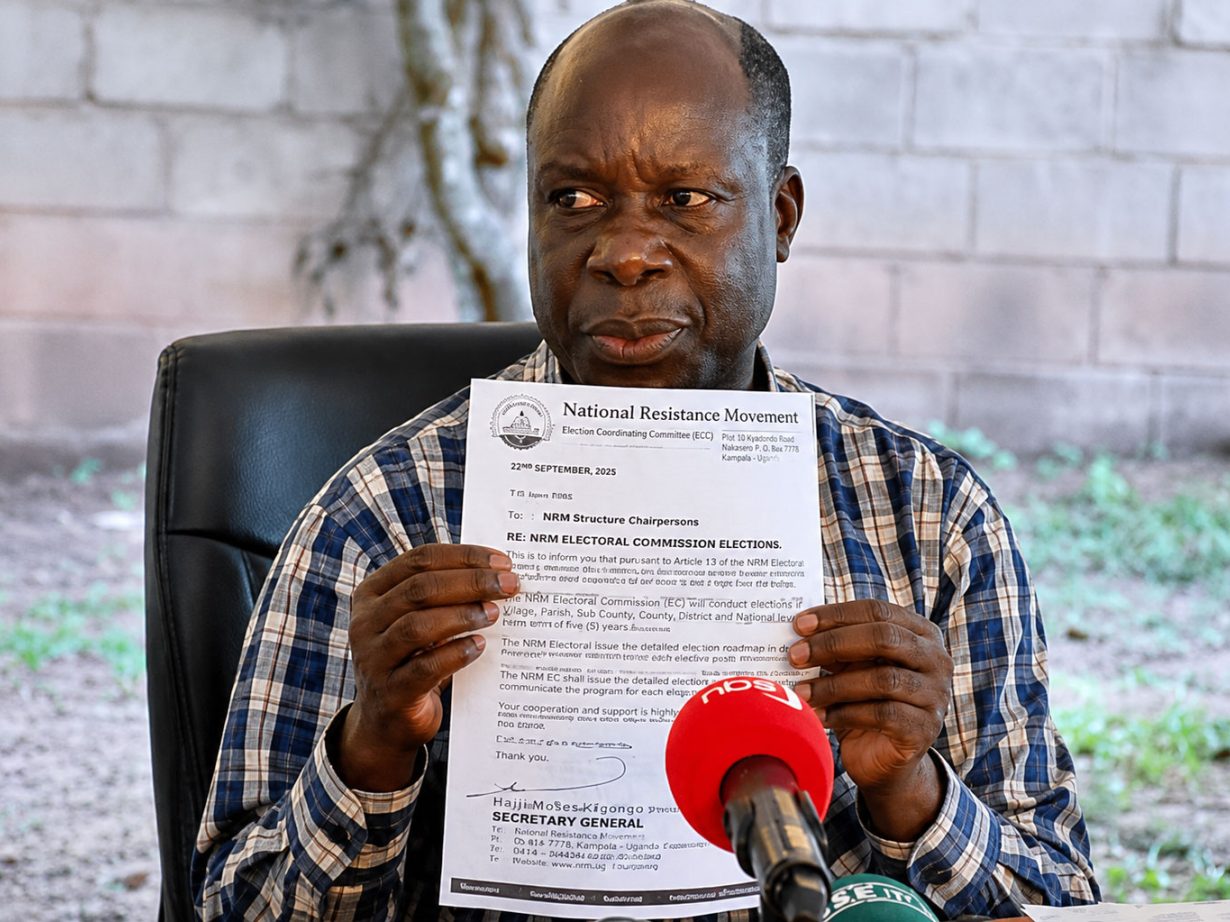
NRM Electoral Commission Chairperson Dr Tanga Odoi said the Shs5 billion forms part of approximately Shs11 billion that the party collected from aspirants through expressions of interest during previous internal elections.
Speaking to journalists, Odoi defended the expenditure, saying organising party activities across more than 72,000 villages requires substantial resources.
“Shs5 billion is really less money. We have 72,000 villages. Flag bearers must be facilitated, and election materials have to be provided,” Odoi said.
NRM to Verify Flag Bearers
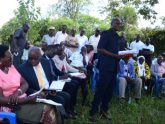
Under the party's roadmap, NRM members will participate in village barazas to verify candidates who were previously selected to represent the party.
The exercise will establish whether candidates selected as NRM flag bearers for LC1 chairperson positions in 2025 and Women Council positions in 2023 are still available and willing to contest.
Party members will also establish whether any of the previously selected candidates have died, withdrawn or are otherwise unable to participate.
Where a vacancy exists, members will be allowed to choose another candidate to carry the NRM flag.
“Where a flag bearer has died, withdrawn from the race or is no longer interested, party members will select a replacement during the village meeting,” Odoi said.
NRM Electoral Commission registrars will supervise the process at village level with support from polling assistants.
Parish registrars, district election officers and regional supervisors will provide additional oversight.
The party has encouraged its members to participate in the exercise, saying candidate verification is necessary to ensure that valid flag bearers are presented for the elections.
Consensus First, Voting Where Necessary
NRM says members will first be encouraged to reach consensus when choosing replacements.
Where members agree on a candidate, that person will be endorsed as the party's flag bearer without holding a vote.
If consensus cannot be reached, members will vote by lining up behind their preferred candidates, a method commonly used during NRM grassroots elections.
Following the village-level exercise, the names of verified candidates will be forwarded to the office of the NRM Secretary General for endorsement.
Successful candidates will then proceed to the nomination stage before participating in the national electoral process.
Tanga Odoi Warns Against Independent Candidates
Odoi also warned NRM members against standing as independent candidates after losing the party's internal elections.
He urged dissatisfied members to use the party's internal structures to resolve disagreements rather than contest against officially endorsed NRM candidates.
“We are not encouraging any independent to stand against NRM. If you have an issue with the person who got the flag, negotiate within the party. Don’t come as an independent against our flag bearers,” he said.
The warning comes amid recurring instances in which unsuccessful candidates in party primaries choose to contest as independents against official NRM flag bearers.
Members Asked to Check Voter Registration
The NRM Electoral Commission has also urged members to ensure that their voter registration details are accurate.
According to the commission, individuals whose names do not appear on the relevant national voter register will not be eligible to participate as voters or candidates.
Odoi said the Shs5 billion budget will support activities involving LC1, LC2 and Women Council positions from grassroots level upwards.
“We are going to use Shs5 billion to fill positions of LC1, LC2 and Women Councils up to the national level,” he said.
The party says part of the funding will also be used to facilitate flag bearers and provide election materials across Uganda's more than 72,000 villages as preparations for the grassroots elections intensify.